
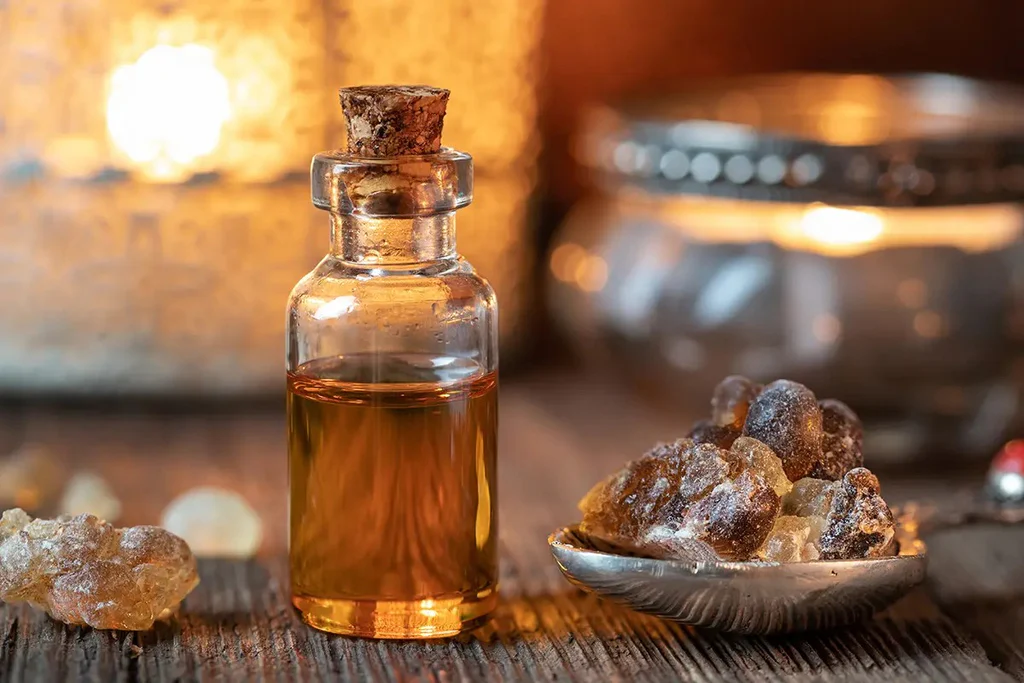
Discover the ancient resin’s power: from easing arthritis pain to supporting immunity and digestion—backed by modern research.
Frankincense, derived from the resin of Boswellia trees native to dry regions like the Arabian Peninsula and parts of Africa, has been prized for millennia in traditional medicine, religious rituals, and perfumery. Its earthy, woody aroma and therapeutic compounds, especially boswellic acids, drive its modern popularity in essential oils, supplements, and topicals. Recent studies validate many traditional claims, highlighting anti-inflammatory, analgesic, and immune-modulating effects. This article examines eight key benefits, supported by clinical evidence, alongside usage methods, safety considerations, and FAQs.
What Is Frankincense?
Frankincense, also called olibanum, comes from slashing the bark of Boswellia sacra, Boswellia carterii, or Boswellia serrata trees, allowing sap to harden into resin. Harvested primarily in Oman, Yemen, and India, it’s steam-distilled into essential oil or powdered for supplements. Key active ingredients include boswellic acids like AKBA (3-O-acetyl-11-keto-β-boswellic acid), which inhibit 5-lipoxygenase and COX-2 enzymes, curbing inflammation. Traditional Ayurvedic and Middle Eastern medicine used it for wounds, arthritis, and respiratory issues; today, it’s studied for similar applications.
Frankincense Benefits
1. Powerful Anti-Inflammatory Properties
Frankincense’s standout feature is its ability to combat inflammation. Boswellic acids block leukotriene synthesis, key in inflammatory conditions like arthritis and asthma. A study showed AKBA potently inhibits pro-inflammatory enzymes, outperforming some pharmaceuticals without gastrointestinal side effects. This makes it valuable for chronic inflammation in IBD, osteoarthritis, and more.
2. Eases Osteoarthritis Symptoms
For knee osteoarthritis, frankincense shines. Clinical trials with 100-250mg Boswellia serrata extract daily reduced pain, stiffness, and improved joint function over 8-12 weeks, rivaling NSAIDs but safer long-term. One trial with over 260 participants using H15 extract (400-1200mg) cut swelling, morning stiffness, and NSAID needs, boosting overall well-being.
3. Improves Asthma and Respiratory Health
Traditionally burned for bronchitis and asthma, frankincense relaxes bronchial muscles by curbing leukotrienes and Th2 cytokines, reducing mucus and inflammation. Research confirms improved airflow, less coughing/wheezing in asthmatics; Mishra et al. (2008) noted symptom relief. It may also ease allergic airway inflammation.
4. Supports Digestive Health
Frankincense soothes gut inflammation in IBS, Crohn’s, and ulcerative colitis. A 2017 study combining it with herbs reduced IBS pain, bloating, anxiety; another with 250mg daily for 6 months improved symptoms. It boosts digestive enzymes, relaxes tract muscles, enhances circulation, and aids leaky gut.
5. Boosts Immune Function
Frankincense enhances immunity by stimulating white blood cell production and fighting bacteria/viruses. Egyptian lab studies showed strong immunostimulant activity; it’s effective against resistant pathogens. Used prophylactically, it may prevent illness.
6. Promotes Skin Health
Topical frankincense fights acne, eczema, wrinkles via anti-inflammatory and antibacterial actions. It reduces scars, evens tone; studies link boswellic acids to cell turnover and collagen support. Diluted essential oil applications show smoother, younger-looking skin.
7. Supports Oral Health
Boswellic acids combat gum disease bacteria like Aggregatibacter actinomycetemcomitans. Test-tube studies confirm efficacy against oral infections; traditional mouth rinses prevent plaque and gingivitis.
8. Potential Anticancer Effects
Promising lab data shows boswellic acids induce apoptosis in cancer cells (breast, prostate, colon, leukemia) and combat chemotherapy-resistant ones. A 2023 review highlighted effects on breast cancer stem cells; it may limit tumor growth and ease treatment side effects. Human trials are needed.